
You're running, you're lifting, you're eating clean — and somehow you're softer and weaker than you were a year ago. Your shirts fit looser in the arms and tighter in the gut. So you blame the cardio. You blame your genetics. But the real thief is sitting on your plate, and it's been robbing you at every single meal. Here's the protein mistake almost every hybrid athlete makes — and the simple fix that turns your training back into muscle.
Clean eating isn't the same as eating right
You think you eat a lot of protein. A scoop after the gym, some chicken at dinner, maybe a few eggs. It feels like enough. It feels responsible. And it's quietly half of what your body actually needs to hold muscle while you run and lift. The problem isn't that you don't care. It's that you're fueling for one sport while training for two.
The lie is that protein is a lifter's problem — that runners just need carbs, and you only need a shake on gym days. So on running days you barely think about it. But every run breaks down tissue too, and now you're asking the same body to repair from a long run and rebuild from a heavy squat — on a budget that wouldn't cover either one alone. Under-eating protein isn't discipline. It's slow-motion muscle loss with a healthy label on it.

The thief on your plate
Here's what's actually happening under the hood. Muscle is in a constant tug of war — every day you are either building tissue or breaking it down. Training is the signal to build. Protein is the bricks. Without enough bricks, the signal fires and nothing gets built — you did the work and paid none of it forward. Running raises the demand on both ends: more breakdown to repair, and a higher baseline just to stay even. Stack that on top of lifting, and a normal protein intake leaves you in a deficit you can't see in the mirror until months later. You are not over-trained. You are under-supplied. The engine and the muscle are both asking for the same bricks, and you keep showing up with half a load.
But isn't more protein just expensive pee? Here's the kicker: the number that actually works is simpler than the internet makes it. Aim for roughly two grams of protein per kilo of bodyweight a day — about one gram per pound. For most hybrid athletes that lands between 120 and 180 grams. And the second half nobody mentions: spread it out. Your body can only use so much at once, so three or four meals of 30 to 50 grams beats one giant steak at night. Anchor protein to every meal, especially the one after your hardest session, and you have fixed eighty percent of the problem.
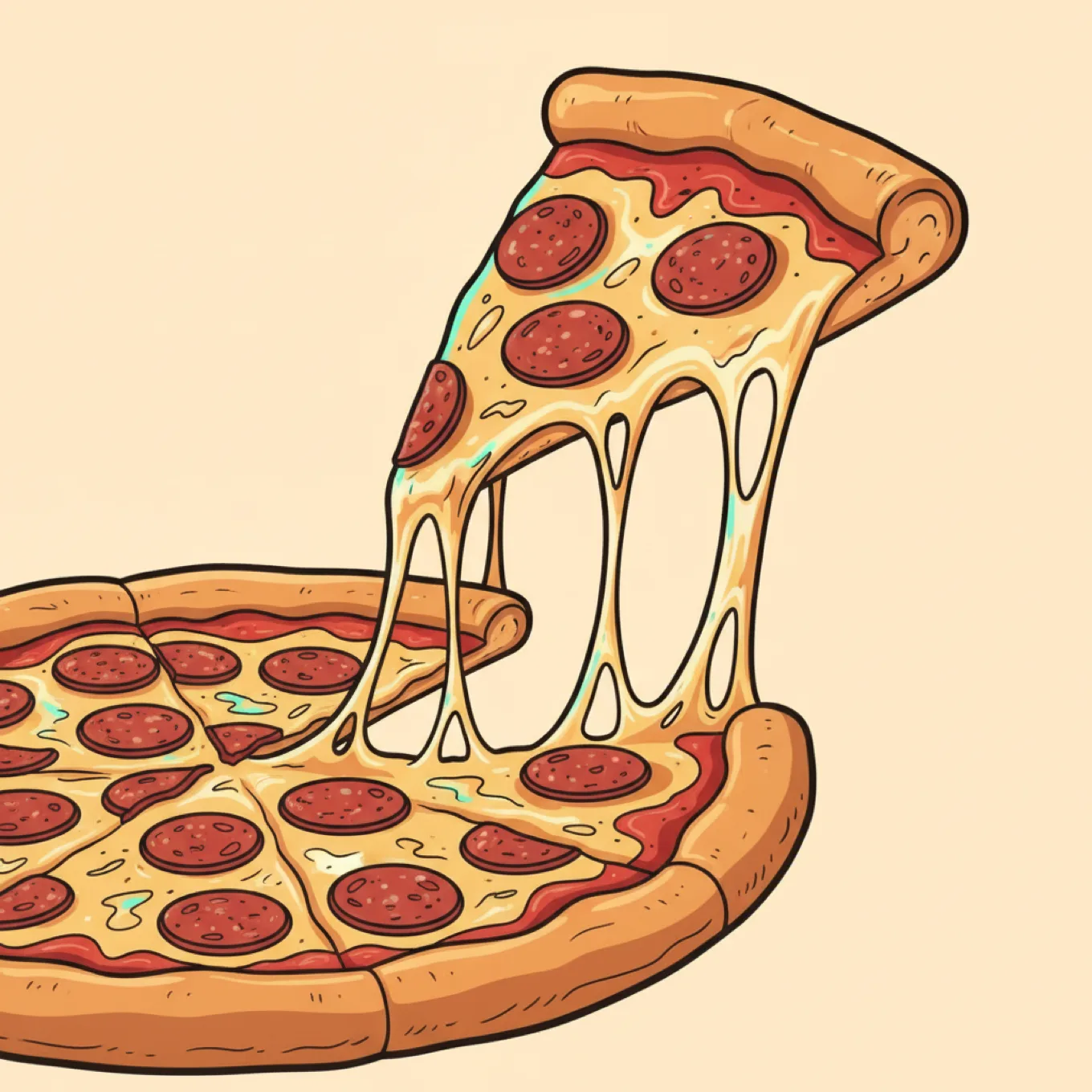
Protein is the anchor
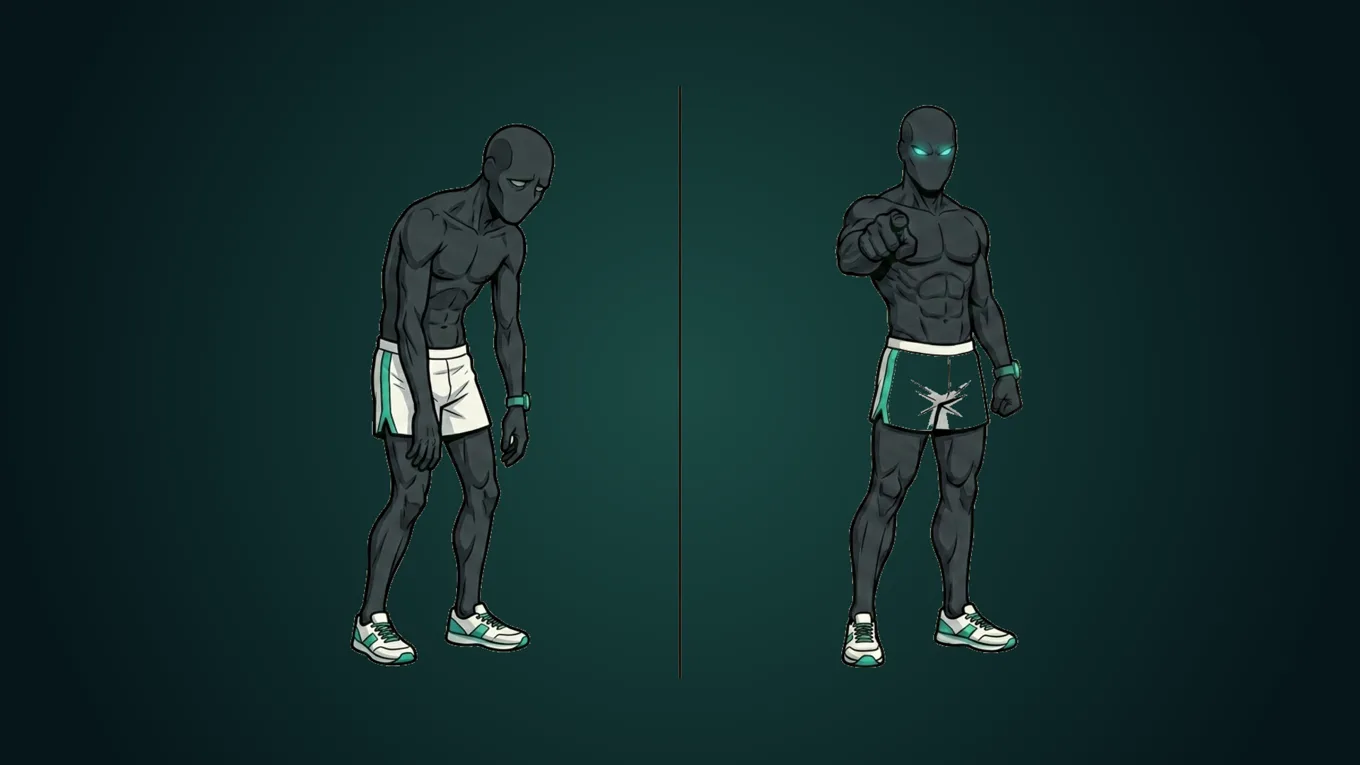
You don't have a bad metabolism. You have an under-built plate. Hit the number, spread it out, and the same training suddenly shows up on your body. Full honesty — I was the skinny-strong guy who trained hard and ate like a bird, then wondered why the work never stuck. The year I actually tracked protein for a few weeks, just to see the real number, was the year my lifts climbed and my runs stopped eating my arms. I didn't train harder. I finally fed it.
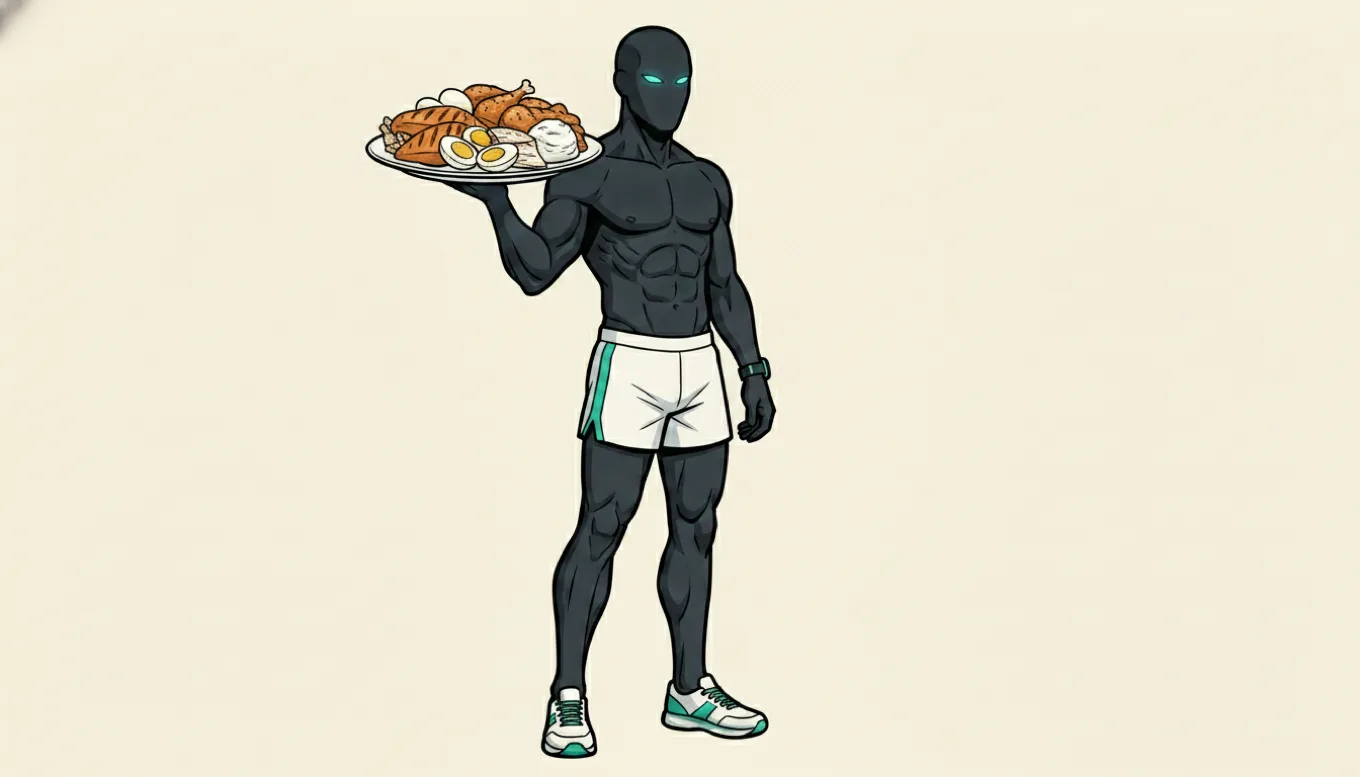
Fix the plate, fix the physique
So here's the actual fix, no tracking forever required. Start every meal with the protein, not the carbs — decide the chicken, the eggs, the fish, the Greek yogurt first, then build around it. Aim for a palm or two of protein per meal, three to four times a day. On hard training days, add one more serving — a shake counts, real food is better. Don't fear carbs around your runs; they are the fuel, protein is the repair, you need both. And do a gut check just once: track for three days, see your real number, and you will never have to guess again. That's it. No exotic supplements, no thirty-egg omelets. Just protein, every meal, on purpose.
Common questions
How much protein do I need as a hybrid athlete who runs and lifts?
Aim for roughly two grams of protein per kilogram of bodyweight per day, which is about one gram per pound. For most hybrid athletes that lands between 120 and 180 grams daily.
Why am I getting softer and weaker even though I train hard?
The most likely cause is under-eating protein, which turns training into slow-motion muscle loss because your body can't rebuild without enough bricks. Running and lifting both raise protein demand, so a normal intake leaves you in a hidden deficit.
Do I need protein on running days or just on lifting days?
You need protein on running days too, because every run breaks down tissue that must be repaired. Fueling only on gym days forces your body to repair from runs and rebuild from lifts on a budget that can't cover either alone.
Is it better to eat all my protein at once or spread it throughout the day?
Spread it out — your body can only use so much protein at once, so three or four meals of 30 to 50 grams beats one giant steak at night. Anchoring protein to every meal, especially after your hardest session, fixes about eighty percent of the problem.
Should I cut carbs to get leaner if I run and lift?
No — don't fear carbs around your runs, because they are the fuel while protein is the repair, and you need both. The post frames the real issue as under-eating protein, not eating too many carbs.
Do I have to track my protein forever to fix this?
No, tracking forever isn't required — just do a gut check once by tracking for three days to see your real number, and you'll never have to guess again. Start every meal with the protein and aim for a palm or two per meal, three to four times a day.