
You've heard it your whole lifting life. Step on a treadmill and you can feel the gains leaking out of your body. Do cardio, lose muscle. So you avoid it like it's going to undo every rep you've ever done. And then you wonder why you're strong but soft, why you gas out tying your shoes, why you've got the engine of a couch. Here's the truth nobody in the gym wants to say out loud: cardio does not kill your gains. Bad programming does. And today I'm going to show you the actual numbers — exactly how much cardio is safe, where it starts to bite, and how to get a real engine while keeping every ounce of muscle.
Where the fear actually comes from
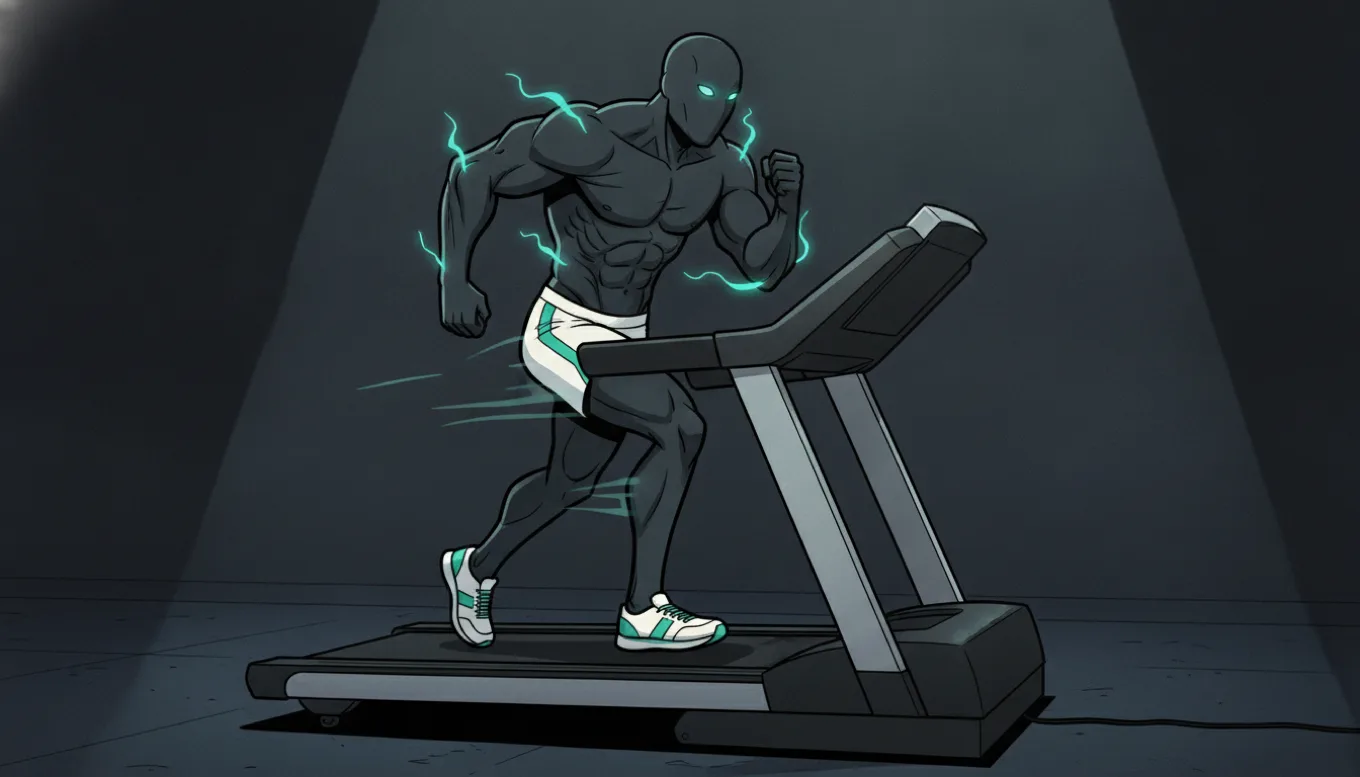
Let's start with where this fear even comes from, because it's not made up — it's just twisted. There's a real thing called the interference effect. Train endurance and strength at the same time, and in theory the endurance signal can blunt the strength signal. That's true. Scientists found it. And then the internet did what the internet does — it took a small, conditional effect and turned it into "cardio melts muscle." Those are not the same statement. Not even close.
What the research really says
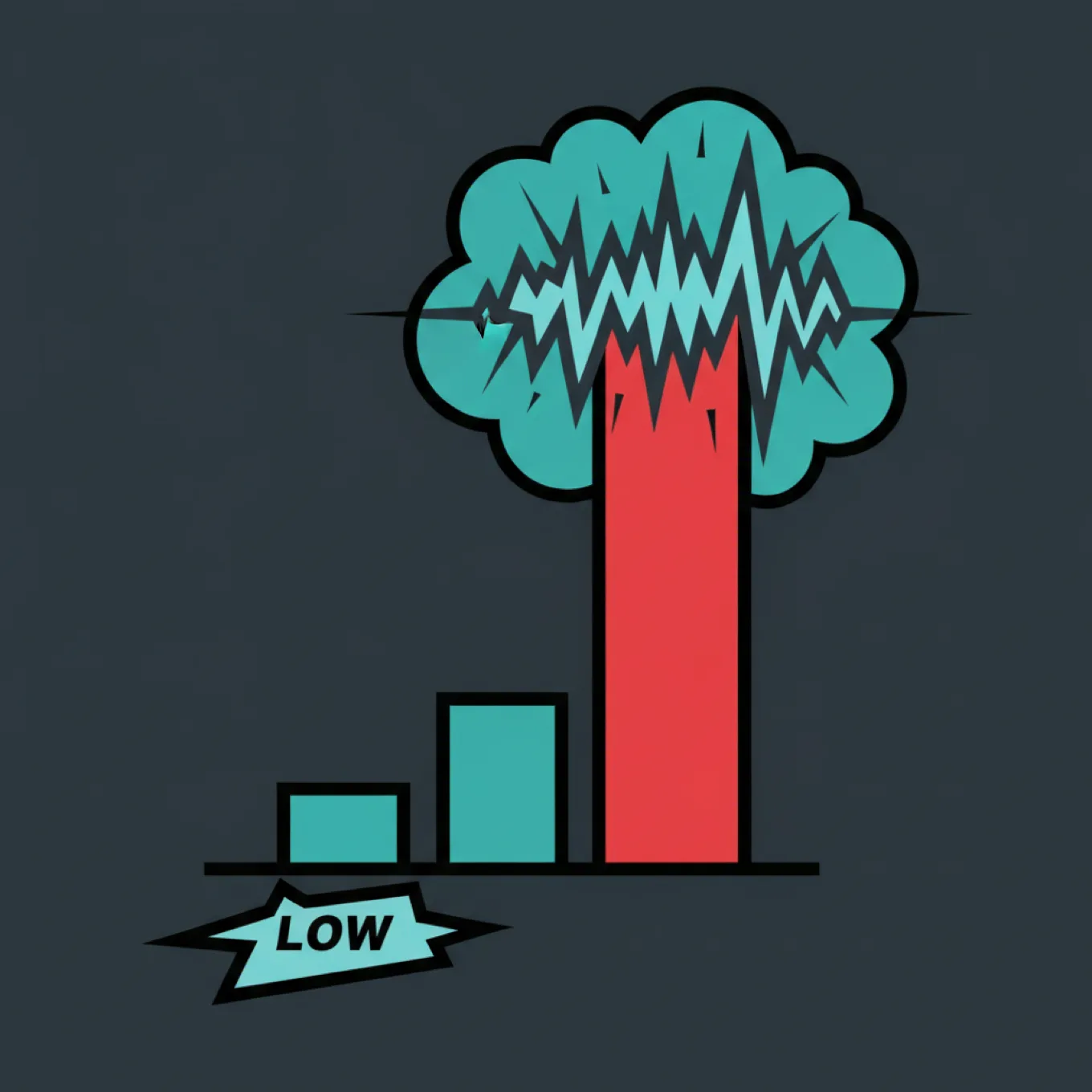
Here's what the research actually says, in plain numbers. The studies that scared everyone? Look closer. The interference shows up mostly in one narrow case: high volumes of endurance — we're talking five, six, sometimes more sessions a week — stacked right on top of heavy lifting, often with running specifically, because running's pounding adds muscle damage on top of the fatigue. That's the recipe that dents your gains. That is not two or three easy cardio sessions a week. The effect at low volumes? Statistically tiny. In several studies, basically nothing.
So let's put a real number on "how much is safe." For almost everyone watching this, the honest ceiling is somewhere around two to four cardio sessions a week, kept mostly easy, and your strength and size are completely fine. Some research even shows your lower-body strength improving when moderate cardio is added, because you recover better and you can train harder. Read that again. Added cardio, better lifts. That's the opposite of the myth.
The real thief was never the cardio
Now here's the kicker, the part that flips the whole thing: the bigger reason lifters "lose muscle from cardio" has almost nothing to do with the cardio itself. It's the calories. Cardio burns energy. If you don't add that energy back with food, you slide into a deficit, and in a deficit your body will trim some muscle along with fat. The treadmill didn't eat your gains. Your kitchen did. Fix the food, and the so-called muscle loss mostly disappears. This is the single most important sentence in this video, so let it land: you don't lose muscle from cardio, you lose muscle from under-eating around your cardio.

Under the hood: two engines, different lanes
Let me show you under the hood, because once you see the machinery, the fear dies for good. Muscle grows from one signal: mechanical tension, progressively heavier over time. Cardio doesn't send that signal — but it also doesn't erase it. What cardio builds is a different system entirely: your heart gets stronger and pumps more blood per beat, your blood grows more capillaries to deliver oxygen, and inside the muscle, tiny power plants called mitochondria multiply. More mitochondria means more endurance and — here's the bonus — better recovery between your heavy sets. These two adaptations live in different lanes. They only crash into each other when you pour on so much volume that recovery can't keep up. Below that line, they don't compete. Above it, they do. The entire game is knowing where your line is.
And there's a part nobody says out loud: most lifters who "tried cardio and lost their gains" did everything wrong at once. They sprinted instead of going easy, so they were destroyed for leg day. They did it fasted and under-ate all week. They added five sessions overnight instead of two. Of course they lost size — they didn't do cardio, they did self-sabotage with a heart-rate monitor on.
So here's the whole point. You've been protecting gains that were never in danger, and the protection cost you a body that can actually do things. You don't have a cardio problem. You have a dosing problem. Cardio isn't poison and it isn't medicine — it's a weight on the bar. The right dose builds you. Too much, with no food and no recovery, breaks you. Same as everything else in training.
Full honesty — I learned this the hard way, from the wrong side. I was never the skinny runner. I was the build, the guy who avoided cardio for exactly this fear. Too much muscle, I told myself, running will eat it. And when I finally said I wanted to run a marathon, everyone agreed — a guy my size will lose all his size, stick to lifting. So I went in terrified of losing what I'd built. And you know what actually happened? I ran 26.2 in under four hours, I added the cardio, I kept eating, I kept lifting — and I held onto the muscle. The gains I was so scared to lose were never the ones at risk. The only thing I lost was the gasping.
How to add cardio without losing a gram
Here's how you actually do it, with the numbers, so you never have to fear the treadmill again.
Number one — cap it and keep it easy. Two to four sessions a week, most of them at a conversational pace, the one where you could talk in full sentences. That easy "zone two" work builds the engine with almost no interference, because it barely adds to your recovery debt. You're not trying to win the run. You're growing mitochondria.
Number two — eat for the work. This is the one that actually protects your muscle. Whatever you burn on cardio, you eat back, and you keep protein high — roughly 1.6 to 2.2 grams per kilo of bodyweight. You cannot lose muscle to cardio if you're fed and lifting. The deficit is the thief, not the run. Close that door and the fear is gone.
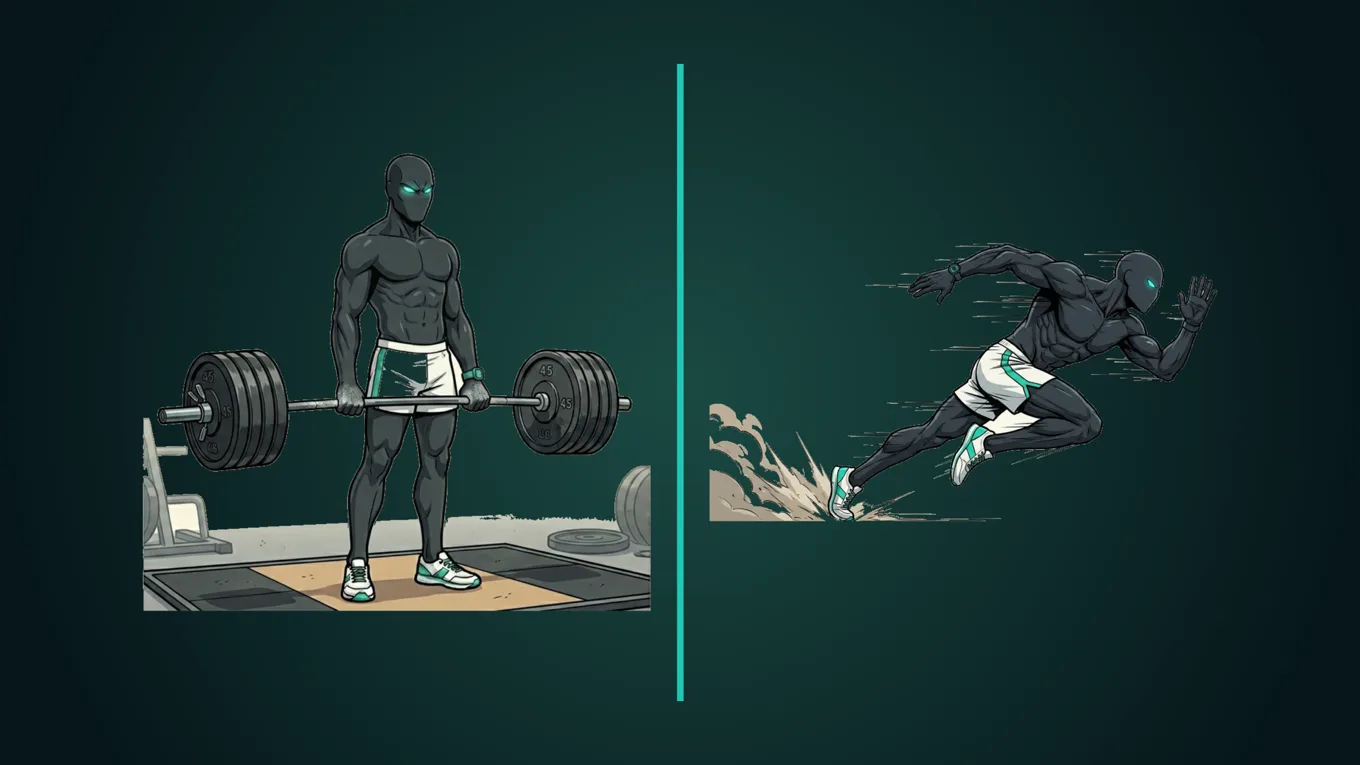
Number three — separate the hard stuff. Keep your heavy lower-body lifting and your hard running away from each other. Don't smash a 5K the morning of squats, and don't squat two hours before a long run. Put easy cardio on upper-body days or rest days. Give each system room and they stop fighting — they start feeding each other.
Number four — progress it like a lift. You wouldn't add a hundred kilos to your squat overnight, so don't go from zero to six runs a week. Add one session, or a few minutes, every couple of weeks. Let your easy pace quietly get faster at the same effort — that's your engine growing, measurable, the same dopamine as adding a plate to the bar.
The honest limits
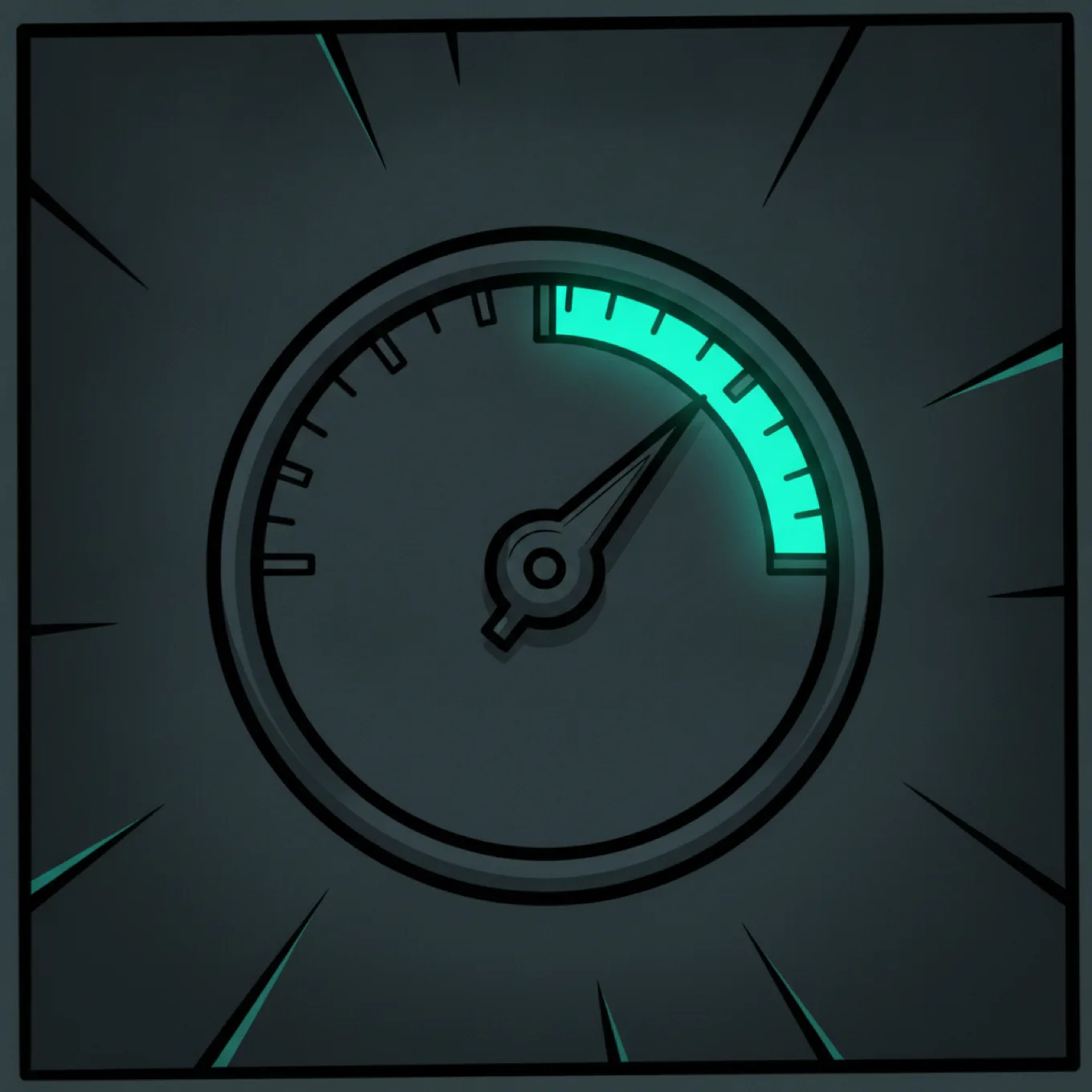
Now let me be honest about the limits, because I'm not going to sell you a fantasy. There is a real ceiling. If you're an elite powerlifter chasing a maximal total, yes, hard concurrent endurance can cost you the last few percent — but that is not you, and that is not me. For the other ninety-nine percent of us, the cost of moderate cardio is so small it's a rounding error, and the benefit — a heart that works, recovery that shows up, a body that isn't winded by a flight of stairs — is enormous. And yes, if you go stupid — daily intervals, no food, no rest — you'll lose size and feel wrecked. That's not cardio failing you. That's you ignoring the dose. The game is enough, not maximum.

The bottom line
So here's the truth. "Cardio kills gains" isn't science — it's a half-read study turned into a gym superstition, and it's kept strong people unfit and unhealthy for years. The real numbers are boring and freeing: two to four easy sessions a week, eat enough, keep lifting, and you build an engine while your muscle sits there completely safe. You were never choosing between strong and fit. You were just dosing it wrong.

Common questions
Does cardio actually kill your gains?
No, cardio does not kill your gains; bad programming does. Muscle loss blamed on cardio almost always comes from under-eating around it, not the cardio itself.
How much cardio can I do without losing muscle?
For almost everyone, the safe ceiling is about two to four cardio sessions a week, kept mostly easy, with strength and size completely fine. Interference only shows up at high volumes like five or six sessions a week stacked on heavy lifting.
Why do lifters lose muscle when they add cardio?
The main reason is calories, not the cardio itself. Cardio burns energy, and if you don't eat it back you slide into a deficit, and in a deficit your body trims some muscle along with fat.
How much protein should I eat if I do cardio and lift?
Keep protein high, roughly 1.6 to 2.2 grams per kilo of bodyweight, and eat back whatever you burn on cardio. You cannot lose muscle to cardio if you're fed and lifting.
What is the interference effect in training?
The interference effect is when training endurance and strength at the same time can blunt the strength signal. It mostly appears with high endurance volumes, five or six-plus sessions a week, often running, stacked on heavy lifting, not with two or three easy sessions.
How do I do cardio without losing muscle?
Cap it at two to four easy sessions a week, eat back what you burn while keeping protein high, and separate hard running from heavy lower-body lifting. Progress it gradually, adding one session or a few minutes every couple of weeks.