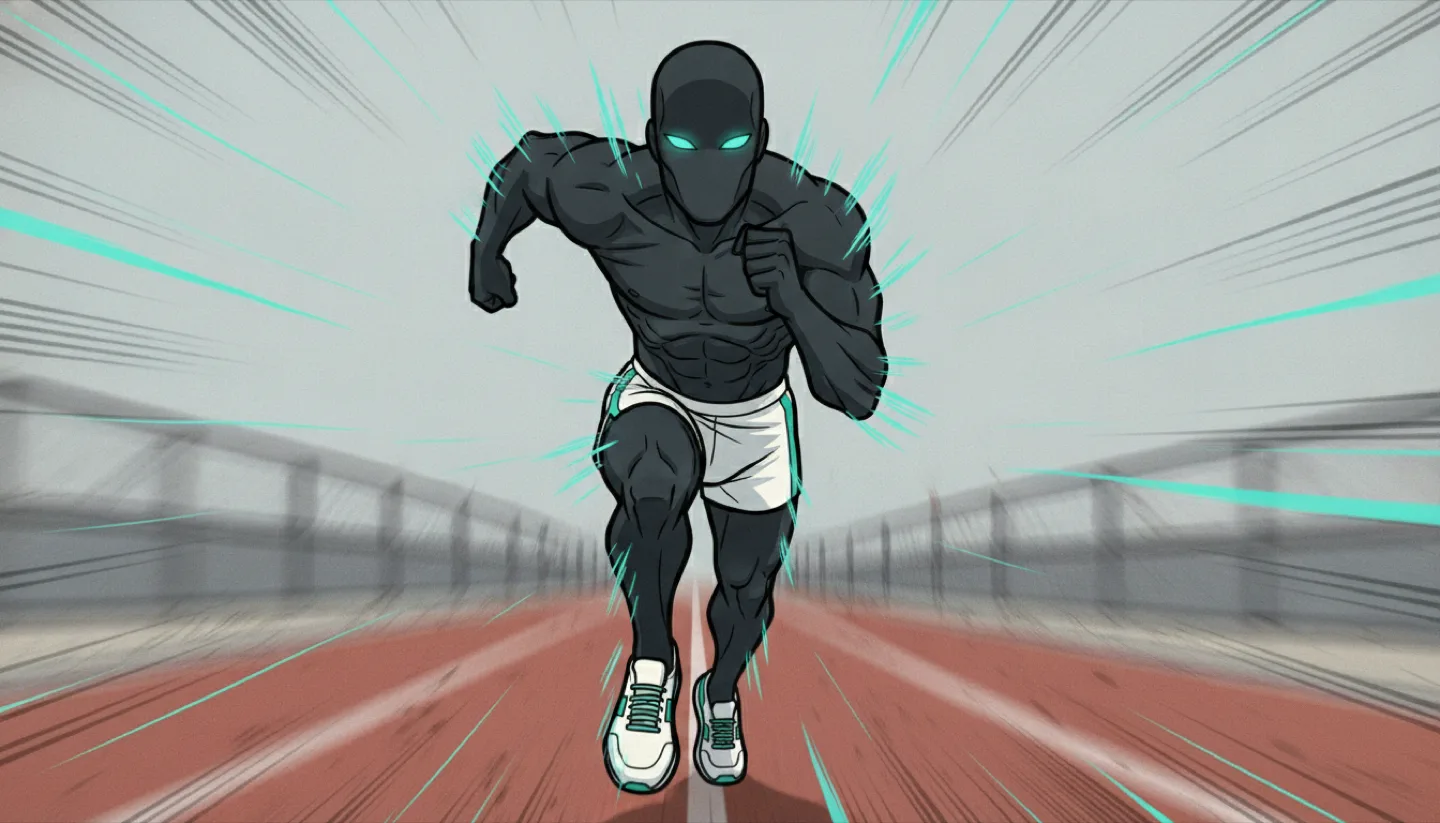
You run all the time, and your legs are still thin, still weak, and still breaking down. Skinny calves, soft glutes, knees that ache, shins that flare, and a stride that falls apart in the last few miles. So you run even more, and nothing changes. Here's the truth most runners never hear: strong legs don't make you slower, they make you faster and far harder to break. And no, the right training will not turn you into a bulky, plodding mess. Here's how to build real runner's legs.
Running doesn't build legs
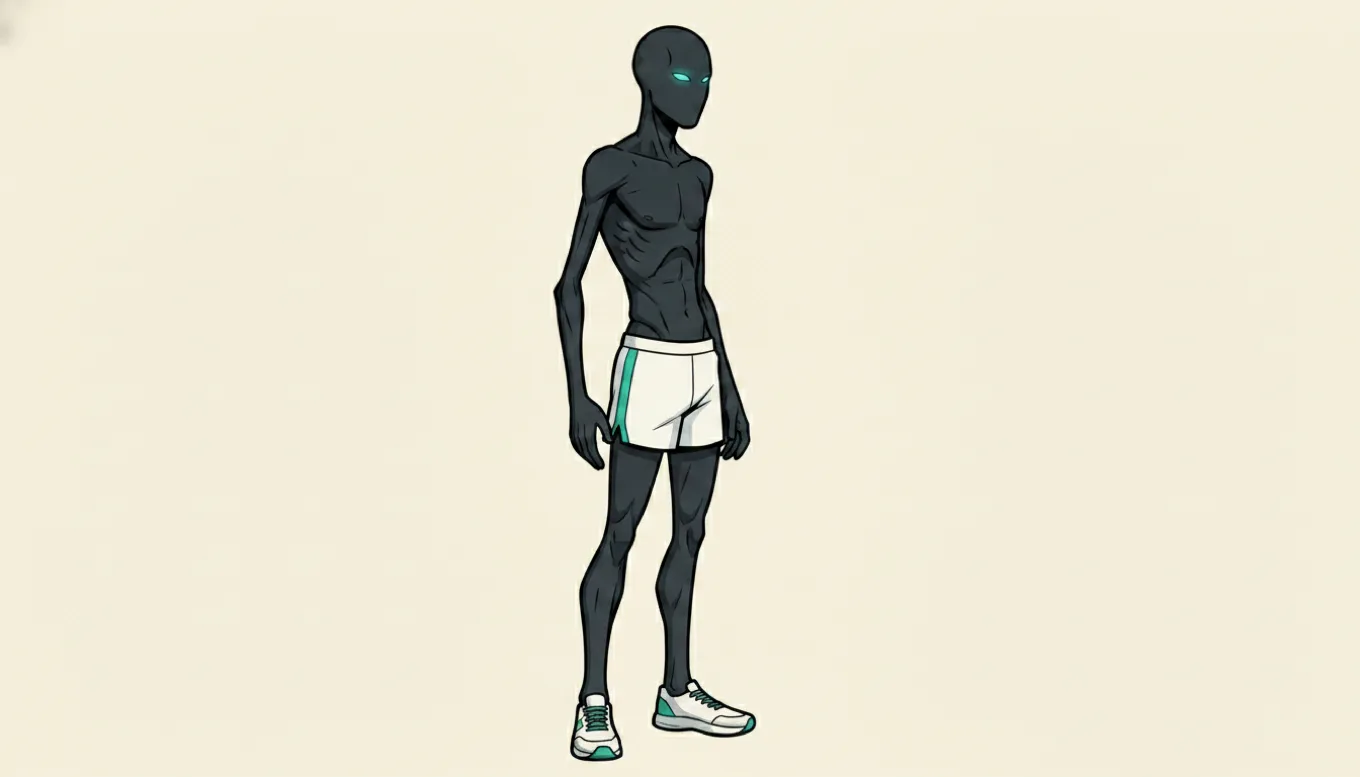
You know the feeling. You've got the engine, your cardio is fine, but your legs just give out — they feel like overcooked noodles by the end of a hard run, and they never seem to get any stronger no matter how many miles you log. Mileage builds your engine. It does almost nothing to build strong, powerful, durable legs. Those are built with resistance, not repetition.
The lie you've absorbed is that leg training makes runners slow and bulky. That squats are for bodybuilders, not runners. It's completely wrong. Strength training the right way builds force and resilience without meaningful size, and that force is exactly what a faster stride is made of. You will not wake up with tree-trunk legs from training like a runner. You'll wake up with legs that finally push back against the ground.
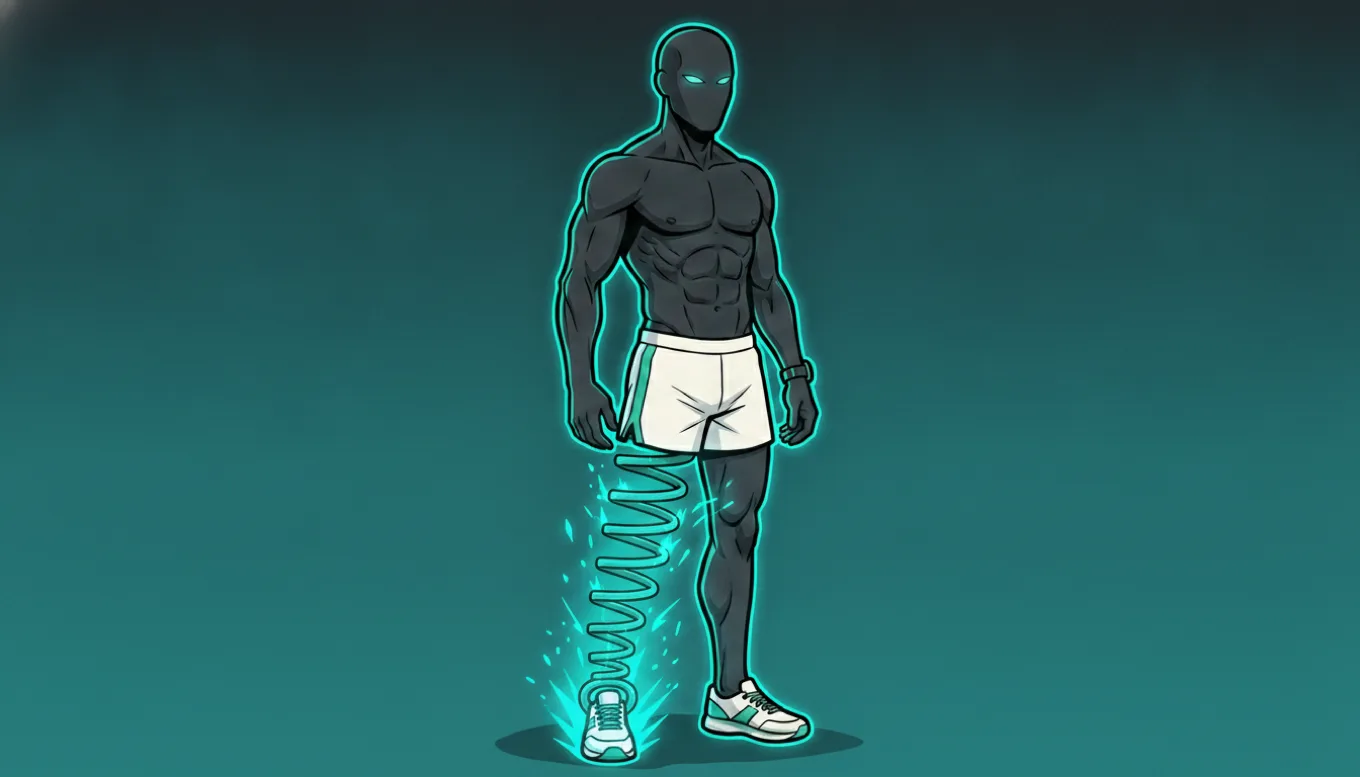
Here's what's actually happening under the hood. Every running stride is a single-leg jump — you strike the ground, and in a fraction of a second your leg has to absorb your bodyweight and fire you forward. The more force your legs can put into the ground in that tiny window, and the stiffer your tendons are as springs, the longer and cheaper each stride becomes. That's running economy, and strong legs are the foundation of it. Weak legs leak energy on every step. Strong legs return it.
And here's the part that translates straight to speed: ground contact time. The faster and harder your legs can hit the ground and leave it, the quicker your turnover and the faster you run at the same effort. Elite runners spend less time on the ground per step — not because they think about it, but because their legs are strong and springy enough to barely touch down. You can't coach that with more miles. You build it with strength and power. Stronger legs literally shorten the time your foot spends on the ground.
The missing signal
And then there's durability. The vast majority of running injuries — runner's knee, shin splints, IT band, achilles — come down to legs and hips that simply aren't strong enough to handle the repetitive pounding. Stronger quads, hamstrings, glutes, and calves act like shock absorbers and braces for your joints. Strength training is the closest thing a runner has to injury armor, and your legs are where most of that armor gets built.
Then there's the finish line. You know that feeling when your legs turn to mush in the last stretch — form falling apart, knees caving in, stride shrinking. That's not your lungs quitting. That's your leg strength running out. Strong legs and strong hips hold your stride together when you're exhausted, and that held-together stride is free speed exactly when everyone else is slowing down.
But won't bigger legs just add weight and slow me down? Here's the key: you train for strength, not size. Heavy loads, low reps, low total volume, and plenty of rest between sets. That style builds your nervous system and your tendons far more than it builds muscle mass, so you get dramatically stronger while adding very little weight. This is exactly how sprinters and jumpers train — some of the most powerful, lean-legged athletes on the planet. Train for force, not for the pump.
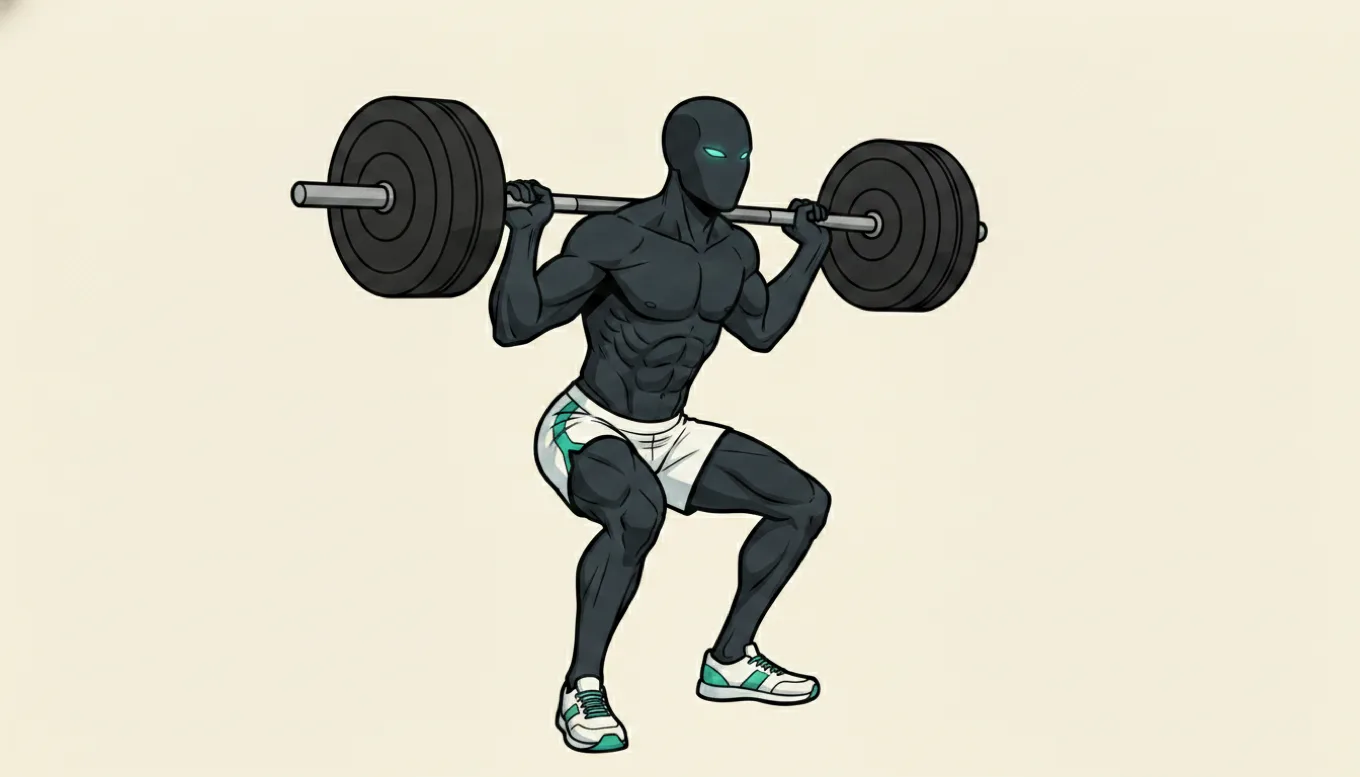
So let's build the actual legs. The squat for raw leg strength — back squat, front squat, or even a heavy goblet squat. The hinge — Romanian deadlifts and deadlifts — for your hamstrings and glutes, which brings me to the most important point in this whole video. Your hamstrings and glutes are the engine of your stride. They're what drives you forward, and almost every runner is quad-dominant with a weak, sleepy posterior chain. Wake up your glutes and hamstrings and your stride gets noticeably more powerful, almost overnight.
Lifts that finally grow your legs
And a quick word on those glutes, because they're the biggest, most powerful muscle you own and most runners barely use them. Years of sitting and quad-dominant running leave them switched off — sometimes called sleepy glutes. Heavy hinges, hip thrusts, and single-leg work wake them back up and teach them to fire when you run. When your glutes finally do their job, your stride gets longer, your knees track better, and that nagging lower-back tightness often just disappears.
Then the single-leg work, and runners cannot skip this. Running is a single-leg sport, and almost everyone has a weaker side that's quietly causing their injuries. Split squats, step-ups, and single-leg Romanian deadlifts force each leg to carry its own load, expose the imbalance, and fix it. If I could only give a runner one category of strength work, it would be single-leg. It's where durability and balanced power are built.
Don't forget the springs at the bottom of the chain — your calves and feet. They absorb and return force with every single stride, more total load than anything else you own as a runner. Strong calves protect your achilles and your shins, and they make your ankle a stiffer, snappier spring. A few sets of heavy calf raises a couple times a week pays off enormously and costs you almost nothing.
And add a little jumping. Plyometrics — box jumps, pogo hops, bounding — train your legs and tendons to be explosive and elastic, which translates almost directly into a faster, springier stride. Just a few crisp, quality sets, not exhausting circuits. A small dose of jumping is one of the highest-return things a runner can do for speed.
Strong legs run faster
Here's how all of this shows up when you actually run. At first, your easy pace just feels easier — each stride costs less. Then your hills stop feeling like a wall, because you finally have the power to drive up them. And in races, your legs hold their shape deep into the fatigue that used to wreck you. You won't feel the strength as strength while you run. You'll feel it as a stride that stays powerful long after everyone else's has fallen apart.
Now the dose, because runners always overthink this. Two strength sessions a week is plenty. Three to five movements: a squat, a hinge, a single-leg exercise, calves, and a little jumping. Heavy, low reps, a couple in reserve, just a few hard sets each. Put your lifting on the same day as your hard run or on its own day, but never the day before your long run — you want fresh legs for that. Low volume, high quality, repeated for months. That's the whole game.
Let me save you the mistakes. The first is doing too much — endless sets and high reps that leave your legs trashed for every run. Keep it heavy and brief. The second is being quad-dominant and ignoring your hamstrings and glutes, which leaves your stride weak and your knees cranky. The third is skipping single-leg work and leaving the exact imbalances that get runners hurt. The fourth is neglecting your calves, the springs that take the most punishment. And the last is training to failure every set, which buys soreness without much extra strength.
Full honesty — I was the classic skinny-legged runner. I had a decent engine and chicken legs, and I kept getting hurt and fading at the finish. I thought lifting would make me slow, so I just ran more and stayed fragile. The year I finally started squatting, hinging, and doing single-leg work twice a week, my injuries dried up, my stride got powerful, and my times dropped — all while my legs barely got bigger. They just got strong. I didn't run more. I built the legs that could actually run. And the wild part? My weekly mileage barely changed — the entire difference came from two short hours in the gym each week.
Common questions
Will lifting weights make runners slow and bulky?
No — strength training the right way builds force and resilience without meaningful size. Heavy loads, low reps, and low volume develop your nervous system and tendons far more than muscle mass, which is exactly how lean, powerful sprinters and jumpers train.
How many strength sessions a week do runners need?
Two strength sessions a week is plenty. Each should cover three to five movements — a squat, a hinge, a single-leg exercise, calves, and a little jumping — done heavy with low reps and just a few hard sets.
Why are my legs still weak even though I run a lot?
Mileage builds your cardio engine but does almost nothing to build strong, powerful, durable legs — those are built with resistance, not repetition. Running more will grow your endurance while leaving your legs just as weak and injury-prone.
What are the best strength exercises for runners?
The core lineup is a squat for raw strength, a hinge (Romanian deadlifts and deadlifts) for hamstrings and glutes, single-leg work like split squats and step-ups, heavy calf raises, and a little plyometric jumping. If limited to one category, single-leg work wins because running is a single-leg sport.
Does leg strength actually make you run faster?
Yes — stronger, springier legs shorten ground contact time, which quickens your turnover so you run faster at the same effort. They also improve running economy by returning energy on each stride instead of leaking it, and hold your stride together deep into fatigue when others slow down.
Why are my glutes and hamstrings weak as a runner?
Years of sitting and quad-dominant running leave the glutes switched off — sometimes called sleepy glutes — and most runners barely use their biggest, most powerful muscle. Heavy hinges, hip thrusts, and single-leg work wake them up, lengthening your stride, improving knee tracking, and often relieving lower-back tightness.